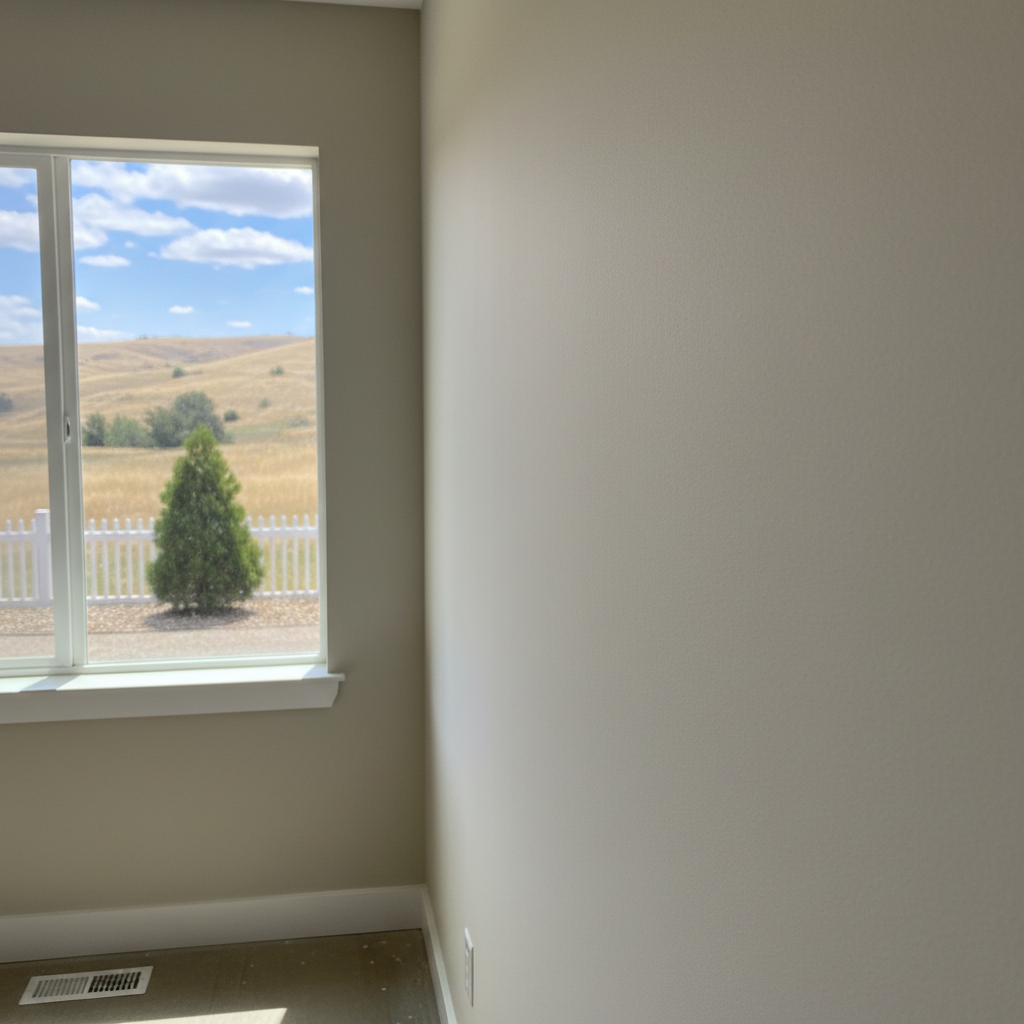
Ever wonder how to make that fresh paint job or drywall repair last? It's not magic, honestly, just knowing a few things about maintenance. We've done a lot of drywall and painting work across Yakima, from the older homes in Barge-Lincoln to the newer builds out by Terrace Heights. And I've seen firsthand what helps walls stay looking good and what leads to trouble down the road.
Extending the Life of Your Walls
You just put money into getting your walls fixed up or painted. That's great! Now, how do you keep them looking that way? It really comes down to protecting them from the everyday stuff that causes wear and tear.
- Gentle Cleaning: For painted walls, a soft, damp cloth with a little mild soap is usually all you need for scuffs and dirt. Don't go scrubbing with abrasive cleaners or sponges; you'll take the paint right off, trust me. For drywall, if it's unpainted, you're looking at dust and maybe a very light, dry brush — but mostly you want to keep unpainted drywall clean during the finishing process, not after it's exposed.
- Protect High-Traffic Areas: Think about your hallways, corners, and the spots around light switches. These areas get touched and bumped a lot. Consider installing corner guards in busy spots, especially if you've got kids or pets running around. Sometimes a satin or semi-gloss paint in these areas, even if the rest of the room is matte, can offer better durability and easier cleaning.
- Manage Humidity: Our Yakima climate can swing pretty wild, from dry summers to damp winters. High humidity, especially in bathrooms or kitchens, can lead to moisture issues that affect both drywall and paint. Make sure you're running exhaust fans when showering or cooking. Good ventilation prevents mold and mildew, which are a nightmare for walls.
- Mind Your Furniture: When moving furniture, lift it. Don't drag it against walls. Even small bumps can leave dings or scuffs that really add up. Use furniture pads on the back of picture frames or anything leaning against a wall to prevent marks.
Regular Maintenance: What to Look For
Think of it like checking your car's oil; a quick look now and then can save you a headache later. What should you be doing regularly?
- Dusting: Sounds simple, right? But dust can really build up, especially on textured walls. A soft duster or a vacuum with a brush attachment works wonders. It keeps your walls looking cleaner and prevents grime from setting in.
- Spot Checks: Every few months, just walk around your house. Look at the corners, around windows and doors, and near plumbing fixtures. Are there any new cracks? Any discoloration? Catching a small issue before it becomes a big one is key.
- Check for Water Stains: This is a big one. Water stains, especially on ceilings or high up on walls, are a red flag. They usually mean a leak somewhere. Don't just paint over them; find the source of the water first.
Warning Signs: When Something's Not Right
Your walls will tell you when they're unhappy. You just need to know how to listen.
- Cracks: Small hairline cracks, especially around doorframes or windows, can be normal with house settling. But if they're getting wider, longer, or if you see spiderweb patterns, that could indicate a structural issue or significant settling.
- Bubbling or Peeling Paint: This is almost always a sign of moisture. Water is getting behind the paint, causing it to lose adhesion. Don't ignore it.
- Discoloration or Stains: Beyond water stains, yellowing or dark spots can indicate smoke damage, mold, or even a pest issue.
- Soft Spots in Drywall: If you push on your drywall and it feels spongy or soft, that's a serious moisture problem. It means the drywall itself is getting wet and breaking down.
- Nail Pops: You know, when the head of a nail or screw starts to push through the drywall compound and paint. This often happens due to changes in humidity and temperature, causing the wood framing to expand and contract. It's usually a cosmetic fix, but if they're popping up everywhere, it might be worth a closer look at your home's stability.
When to Call a Professional
Look, I'm all for DIY, but some things are just better left to the pros. Knowing when to pick up the phone can save you time, money, and a lot of frustration.
- Extensive Damage: If you've got large holes, multiple cracks, or significant water damage, that's usually beyond a simple patch job. A professional can assess the underlying issue and ensure the repair is done right, blending seamlessly with the existing wall.
- Moisture Issues: If you've got persistent bubbling, peeling, or soft spots, and you can't find or fix the source of the moisture, get someone in. You really don't want mold growing behind your walls.
- Ceiling Repairs: Drywall on ceilings is tricky. It's heavy, awkward, and getting a smooth finish overhead is an art. Don't risk it falling on your head or ending up with a lumpy ceiling.
- Lead Paint or Asbestos Concerns: If you live in an older Yakima home, especially one built before 1978, there's a chance of lead paint. Older homes might also have asbestos in certain materials. Disturbing these without proper precautions is dangerous. A professional will know how to test and handle these materials safely.
- You're Short on Time or Tools: Sometimes, it's just about efficiency. If you don't have the right tools, the experience, or simply the time, hiring a company like Yakima Painting Company can get the job done quicker and with a better finish. We've got the gear and the know-how.
Keeping your walls in good shape isn't rocket science, but it does take a little attention. A well-maintained home looks better, feels better, and holds its value. Don't let small issues turn into big headaches.